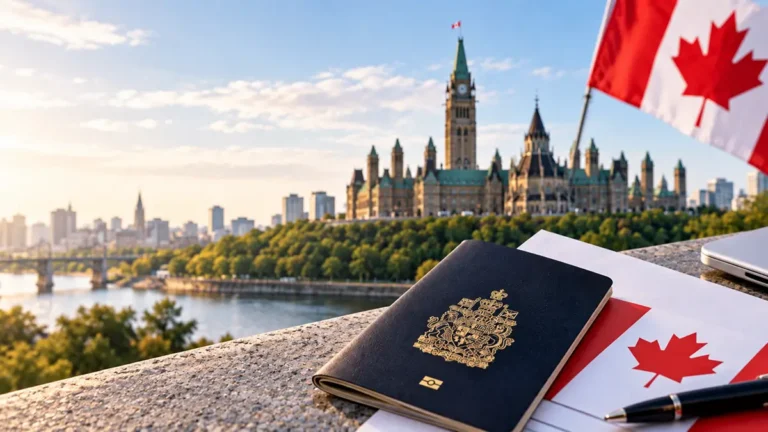
September has been a huge month of change at IRCC and ESDC. New requirements and significant policy shifts have been announced across temporary residence pathways.
Summary of Announced Changes
1. Study Permits
New caps and stricter requirements announced for 2025, adjusting intake numbers across Canadian institutions.
2. Labour Market Impact Assessments (LMIAs)
A strict new “refusal to process” policy will limit LMIAs for most occupations and locations for jobs under the low wage threshold. Construction, Health Care, and Food Manufacturing industries will have exemptions for these requirements alongside new lower wage caps.
3. Post Graduate Work Permit (PGWP) Language Requirements
Post Graduate Work Permit applications must now pass IRCC approved language exams prior to applying. This could be very complicating if test centers book up quickly — applicants have a limited window of time to submit this application. This requirement starts November 1.
4. Restrictions for College Level Graduates
There will also be new restrictions on applying for PGWPs for College level grads depending on the occupations and industries that were the focus of their Canadian education. More details are being clarified by IRCC.
5. Spousal Open Work Permits
Work Permits for spouses of Workers and Students will be limited in several ways that we are still awaiting official word on. We expect restrictions will be NOC based, but it is currently unclear where TEER 2 and TEER 3 will stand.
“If you expect to graduate in the fall semester, it is a good idea to start working on language testing now to make sure you are ready ahead of getting final marks for a PGWP in early 2025.”
Be Prepared Early
We are now offering ESL Training and CELPIP prep and tutoring here at Daw Immigration to have you ready before your graduation timelines!
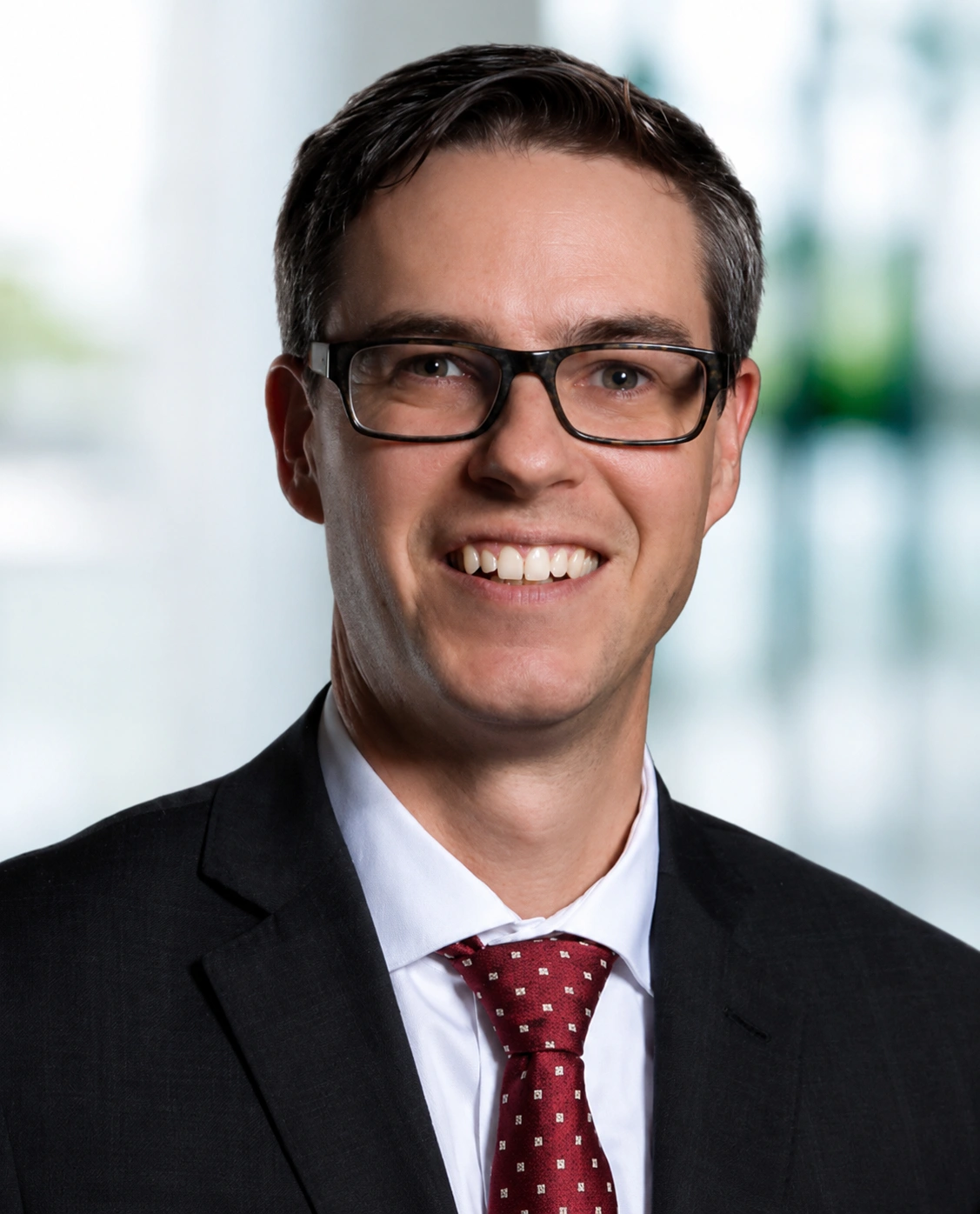
Christopher Daw
BA, RCIC-IRB, Commissioner of Oaths — Managing Director
Christopher has represented clients in nearly every Canadian immigration stream since 2001. A former board member of CAPIC and ICCRC, he also teaches Immigration Law at Queen's University.